
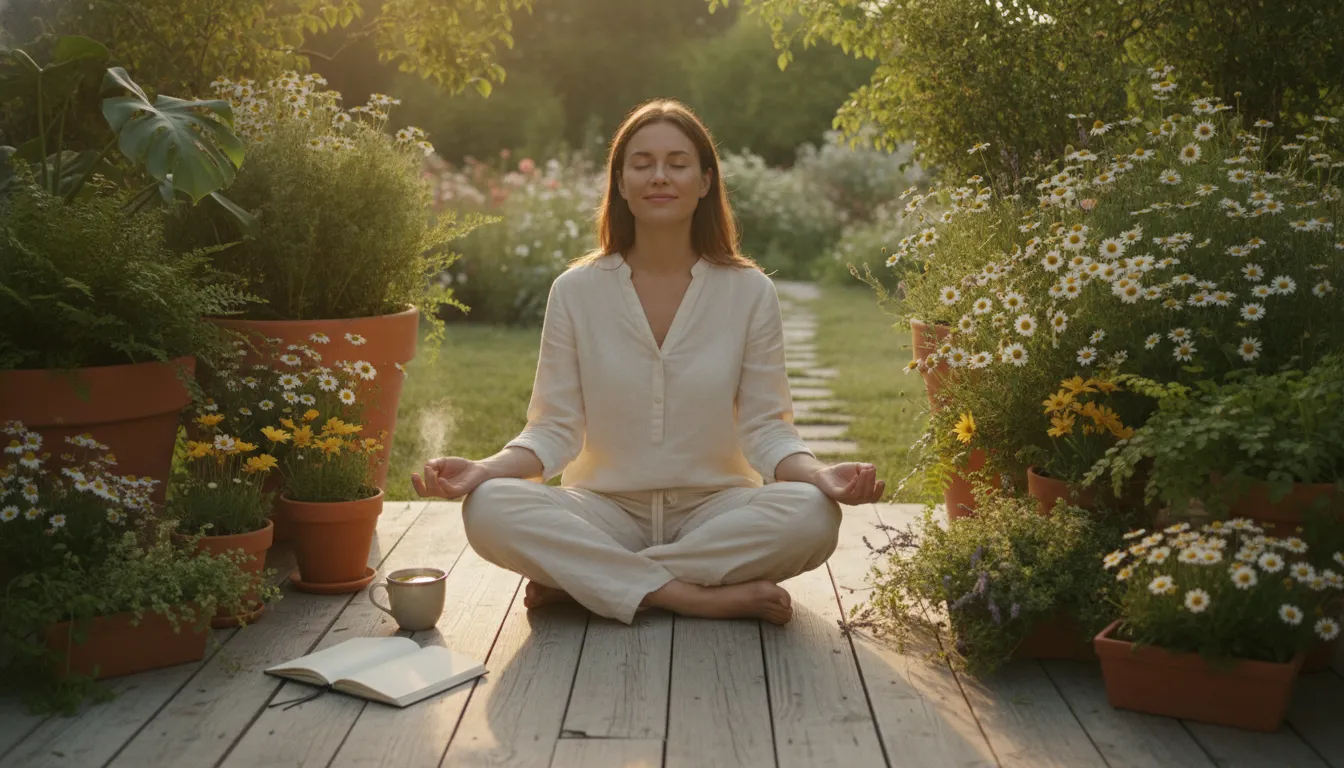
Practice Gratitude Daily to Enhance Mental Well-being
Have you ever stopped to notice, even on the toughest days, something small you could be grateful for? A glass of cold water, the voice of someone you love, the morning light streaming through the window. It seems simple — and it is. But what science has been investigating over the past decades suggests that this seemingly simple gesture can have real effects on emotional well-being and mental health. In 2026, with increasingly hectic routines, chronic stress, and emotional exhaustion have become common topics. It is precisely in this context that the practice of gratitude has regained attention, both in the field of positive psychology and in human behavior research.
It’s important to clarify from the start: gratitude is not a magic solution and does not replace medical or psychological care. This article is informational and was written to help you understand what scientific evidence says about the topic, in an honest and accessible way. If you are experiencing intense suffering, severe anxiety, or any situation significantly affecting your mental health, seeking a health professional is always the most important step.
That said, exploring gratitude as a daily practice can be a valuable complementary tool — something you can cultivate at your own pace, without costs and without ready-made formulas.
What Science Says About Gratitude and Mental Health
Gratitude has been studied in the field of positive psychology — an area that investigates what contributes to human flourishing — especially since the 2000s. Researchers like Robert Emmons, from the University of California, have conducted studies suggesting that people who regularly record what they are grateful for report a greater sense of well-being compared to control groups. These studies, published in peer-reviewed journals, point to associations between gratitude practices and aspects such as more positive mood, sleep quality, and a sense of social connection.
It’s worth being honest about what this means: these are associations, not definitive cause-and-effect relationships. Science is still learning about the precise mechanisms by which gratitude influences the brain and behavior. What studies often suggest is that redirecting attention to what is working well in life — instead of focusing solely on what is lacking — can help modulate thought patterns associated with rumination and pessimism.
Additionally, neuroscience suggests that the human brain has a natural tendency towards the so-called “negativity bias” — meaning we pay more attention to threats and problems than to positive experiences. Cultivating gratitude can be, in part, a way to train attention for a healthier balance. But this process is gradual and individual.
Benefits Suggested by Studies — Without Exaggerated Promises
Based on research published in psychology and behavioral health, regular gratitude practice may be associated with:
- Reduction of stress symptoms in everyday life contexts
- Improved sleep quality, especially when practiced before bedtime
- Strengthening social bonds, as expressing gratitude to others often deepens relationships
- Greater emotional resilience in the face of adversity
- Increased sense of purpose and meaning
These results do not appear overnight, and the intensity varies greatly from person to person. Additionally, gratitude works best as a complement to a broadly healthy lifestyle — adequate sleep, balanced nutrition, physical activity, and human connections — and not as a substitute for any of these dimensions.
If you face depression, anxiety, or other mental health challenges, gratitude can be an additional resource within a care plan, but never in place of treatment recommended by a professional.
How to Start: Simple and Accessible Practices
One of the most interesting things about gratitude is that it requires no equipment, expensive apps, or hours of dedication. Here are some ways to incorporate it into your daily life:
Gratitude Journal
- Choose a simple notebook or note-taking app.
- Set aside 5 to 10 minutes, preferably at the same time every day (many people prefer at night).
- Write down 3 to 5 things you are grateful for that day.
- Be specific: instead of “I’m grateful for my family,” try “I’m grateful because my sister called me today and I felt heard.”
- Don’t force positivity — if it was a tough day, acknowledge it and still find something small.
Expressed Gratitude
- Send a message, letter, or tell someone in person how much you appreciate something they did or are.
- Research suggests that expressing gratitude directly to another person is often more impactful than just recording it in a journal.
Mindful Pause
- In moments of tension, take a 1 to 2-minute pause and mentally name three things present at that moment that have some value for you.
- This practice can be combined with breathing techniques or beginner meditation, which also often contribute to emotional balance.
Visual Gratitude
- Stick a note somewhere you see every day — mirror, fridge, work desk — with a reminder of something you value.
- Changing the note weekly prevents it from becoming invisible due to repetition.
Gratitude is Not Toxic Positivity
Here’s an important point: gratitude is not pretending everything is fine. There is a huge difference between cultivating genuine gratitude and ignoring or suppressing difficult feelings. The so-called “toxic positivity” — the pressure to always be fine and grateful for everything, even in situations of real suffering — can be harmful, as it invalidates legitimate emotions.
Healthy gratitude coexists with sadness, anger, and disappointment. It does not deny what is difficult; it expands the lens so that other experiences also fit into perception. You can be grateful for something and, at the same time, be suffering. These two states do not exclude each other.
If you notice that practicing gratitude is generating guilt, a sense of inadequacy, or frustration, it is worth talking to a psychologist about it. Sometimes, difficulties in accessing positive feelings are signs that something deeper deserves attention and specialized care.
Gratitude and the Body: A Possible Connection
Although most research focuses on emotional and psychological aspects, some preliminary studies suggest that practices related to emotional well-being — such as gratitude, mindfulness, and social connection — may be associated with physical health indicators, such as sleep quality and perceived energy throughout the day.
However, it is important to be cautious with very direct statements about physical health: gratitude does not treat diseases, does not act as medication, and should not be presented as such. What seems to happen is an indirect chain: better emotional well-being can lead to healthier behaviors, which in turn benefit the body. But the pathways are complex and still being studied.
Complementary practices, such as aromatherapy, meditation, and contact with nature, are often cited alongside gratitude as part of a lifestyle of mental health care — always with honesty about what evidence confirms and what is still being investigated.
When to Seek a Health Professional
Well-being practices like gratitude are valuable tools, but there are situations where seeking professional support is essential — and should not be delayed. Consider seeing a psychologist, psychiatrist, or doctor if you:
- Feel persistently sad, empty, or hopeless for more than a few weeks
- Have difficulty performing basic daily activities
- Experience intense anxiety that interferes with work, relationships, or sleep
- Are isolating yourself from loved ones
- Have thoughts of self-harm or that it would be better not to be here
In these cases, gratitude is not enough — and recognizing this is, in itself, an act of self-care. Help exists and is available.
If you are in crisis or need to talk to someone now, the CVV (Centro de Valorização da Vida) can be reached at 188, with free calls, 24 hours a day, every day. In emergencies, seek the nearest emergency room or SAMU (192).
Conclusion: Gratitude as a Practice, Not an Obligation
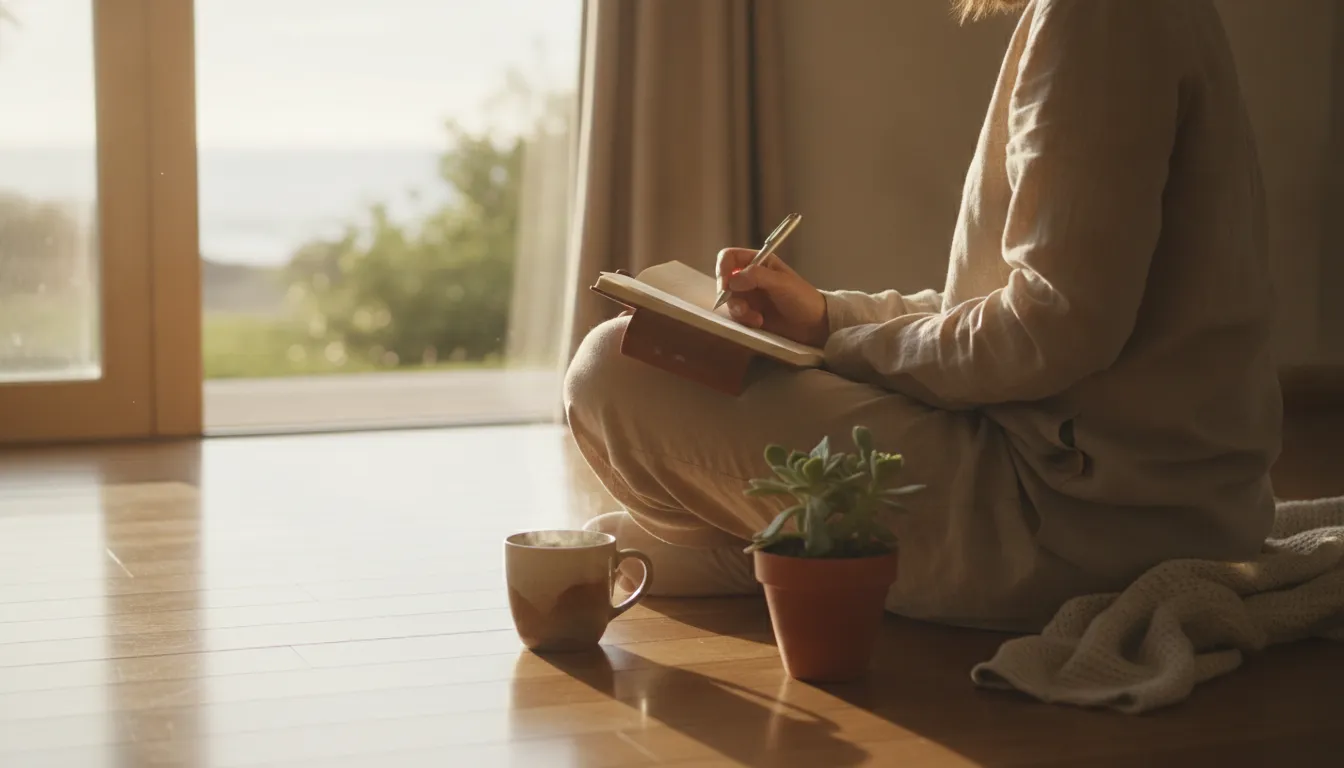
Cultivating gratitude is a gentle invitation — not a performance demand. It doesn’t need to be perfect, constant, or grand. It can be a second of attention to the taste of a coffee, a “thank you” said with real presence, or three lines written before bed.
What studies suggest is that, over time, this deliberate attention to what has value can help build a more balanced relationship with one’s own mind — not because it erases what is difficult, but because it makes room for what is also good.
Take care of yourself with consistency and kindness. And remember: if you need help, asking for support is the greatest act of gratitude you can have for yourself.
This content is informative and educational, and does not replace the assessment, diagnosis, or treatment by a healthcare professional. Each person has a unique story and needs — always consult a doctor, psychologist, or other qualified professional for individual guidance.
- Improved sleep quality, especially when practiced before bedtime