
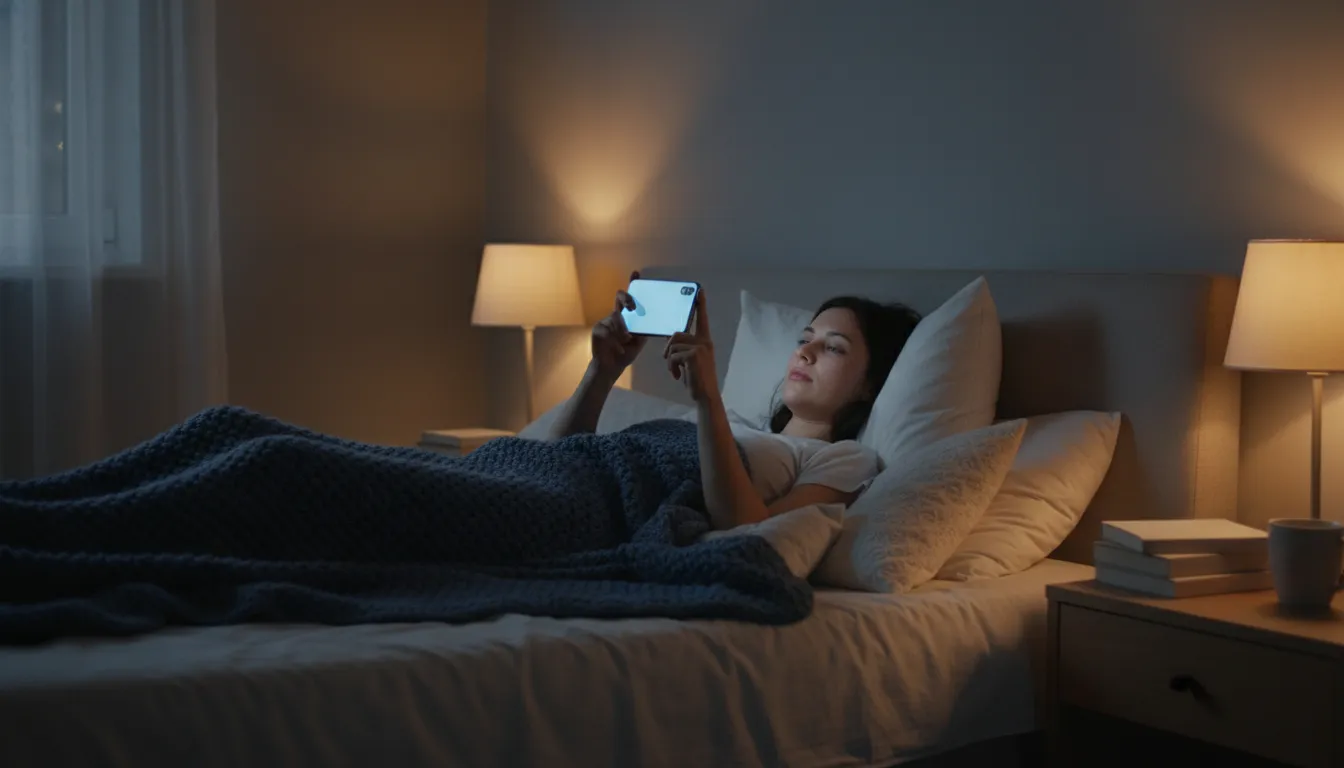
Have you ever found yourself lying in bed, staring at your phone screen “just for five more minutes” — only to realize it’s already midnight? If this sounds familiar, you’re not alone. In 2026, with constant notifications, increasingly engaging social media, and work that never seems to end, the phone has become an almost inseparable bedroom companion. But what does sleep science say about this common habit?
The relationship between using electronic devices before bed and sleep quality has been investigated for at least two decades. Researchers worldwide have observed that this combination — bright screen, stimulating content, and rest time — may not be as harmless as it seems. Understanding why could be the first step towards more peaceful nights.
In this article, we will clearly and honestly explore what is known so far about the effects of phones on sleep, the mechanisms involved, and what can help create healthier habits when preparing for bed. Remember: this content is educational and general, and each person has a unique story — it’s always worth consulting a healthcare professional for personalized guidance.
What Happens in Your Body When You Go to Sleep
To understand the impact of phones, it’s useful to know a bit about how sleep works. The human body has an internal regulation system called the circadian rhythm — a cycle of approximately 24 hours that controls when we feel sleepy, when we are alert, body temperature, hormone release, and various other vital functions.
One of the main characters in this system is melatonin, a hormone produced by the pineal gland. It begins to be released when the environment darkens, signaling to the brain that it’s time to prepare for sleep. This process is sensitive to a very important external factor: light.
When the eye detects light — especially in certain frequencies — the brain interprets this as a signal that it is still daytime. And this is precisely where phones come into the picture.
Blue Light and Sleep Rhythm
Smartphone, tablet, and computer screens emit what we call short-wavelength light, popularly known as blue light. Studies published in specialized journals suggest that this type of light may be particularly effective at suppressing melatonin production compared to “warmer” light sources.
This means that using your phone in the dark of your room can, in theory, delay the onset of sleepiness — what researchers call sleep phase delay. Over time, this accumulated delay can contribute to a later sleep pattern, difficulty waking up early, and feelings of tiredness during the day.
It’s worth noting, however, that the intensity of this effect varies from person to person. Factors such as individual sensitivity to light, screen brightness, distance from the eyes, and exposure time can influence how much this mechanism impacts each person. Blue light filters and the “night mode” on devices were developed precisely to try to reduce this stimulus, although evidence about their effectiveness is still mixed — meaning they may help to some extent but do not completely eliminate the problem.
It’s Not Just the Light: The Role of Content
Here is a point that often takes a back seat in discussions about phones and sleep: the type of content we consume also matters.
Watching a funny video, reading worrying news, discussing something on social media, or receiving a stressful work email at 11 p.m. are experiences that activate the nervous system and make it difficult to transition to the relaxed state needed to fall asleep. The brain doesn’t shut off immediately after putting down the phone — it continues processing the received information.
Sleep researchers often emphasize that cognitive and emotional activation before bed — whether due to worries, excitement, or any content that demands intense mental processing — is one of the main factors contributing to difficulty falling asleep, regardless of the light emitted by the screen.
What Studies Typically Observe
Without inventing numbers or citing specific studies with precision we cannot guarantee, it is possible to state that the scientific literature on the topic has generally pointed to some consistent associations:
- Prolonged screen use before bed is often associated with longer time to fall asleep (what experts call increased sleep latency)
- Shorter total sleep duration, especially in teenagers and young adults, has frequently been related to nighttime device use
- Subjective sleep quality — that is, how a person evaluates their own rest — tends to be worse in those who report intense phone use in bed
It is important to highlight that association does not mean direct causality. People who use their phones a lot at night may also have other factors that impair sleep, such as stress, anxiety, or irregular habits. Science is still building this picture with more precision.
Practical Tips to Reduce the Impact
If you want to try changing your nighttime habits, some strategies are often mentioned by sleep experts as potentially helpful. Remember: what works varies from person to person, and the ideal is to find a rhythm that makes sense for your routine.
- Establish a “disconnect” time — many people report benefits from setting a screen-free period before bed, which can range from 30 minutes to 1 hour. There is no single rule, but creating a transition window often helps.
- Reduce screen brightness at night — if you need to use your phone, lowering the brightness and activating night mode can be an intermediate measure.
- Keep your phone out of the bedroom (or away from the bed) — removing the device from immediate reach reduces the temptation to check notifications when waking up in the middle of the night or just before sleeping.
- Create a relaxation ritual — reading a physical book, listening to calm music, doing gentle stretches, or practicing mindful breathing are activities that can help signal the body that it’s time to slow down.
- Avoid stressful or highly stimulating content — even if you use your phone, choosing more neutral or calm content can make a difference.
- Maintain regular sleep schedules — going to bed and waking up at approximately the same time every day, including weekends, is one of the most consistent recommendations in the sleep hygiene literature.
To learn more about structuring a healthy nighttime routine, you can check out this article: Healthy Sleep Routine: Where to Start.
What About Children and Teenagers?
This is a point that deserves special attention. International health organizations, including the World Health Organization (WHO), have published guidelines on screen use in different age groups, with particular concern for children and teenagers. Sleep at this stage is especially important for physical, emotional, and cognitive development.
Phone use in bed by teenagers is among the most frequent concerns raised by pediatricians and child sleep specialists. Besides the direct impact on bedtime, there is the issue of social media use — the pressure to be available, the fear of missing out (the famous FOMO), and interactions that can generate anxiety contribute to a cycle that is difficult to break without support.
If you are a parent or caregiver and notice that the child or teenager under your care has difficulties with sleep and intense screen use, talking to the pediatrician can be a good starting point.
When to Seek a Health Professional
Occasional difficulties falling asleep are part of life. But there are situations where seeking specialized guidance is important:
- Difficulty falling asleep or staying asleep that persists for weeks
- Feeling excessively tired during the day, even after seemingly sufficient nights
- Intense snoring, pauses in breathing during sleep, or intense agitation (which may indicate conditions like sleep apnea)
- Intense anxiety or worry related to sleep, phone use, or other aspects of life
- When fatigue begins to affect work, relationships, or overall well-being
A family doctor, general practitioner, neurologist with a focus on sleep, or psychologist can help better understand what is happening and indicate the most appropriate path for each situation. Don’t hesitate to seek help — taking care of sleep is taking care of overall health.
Conclusion
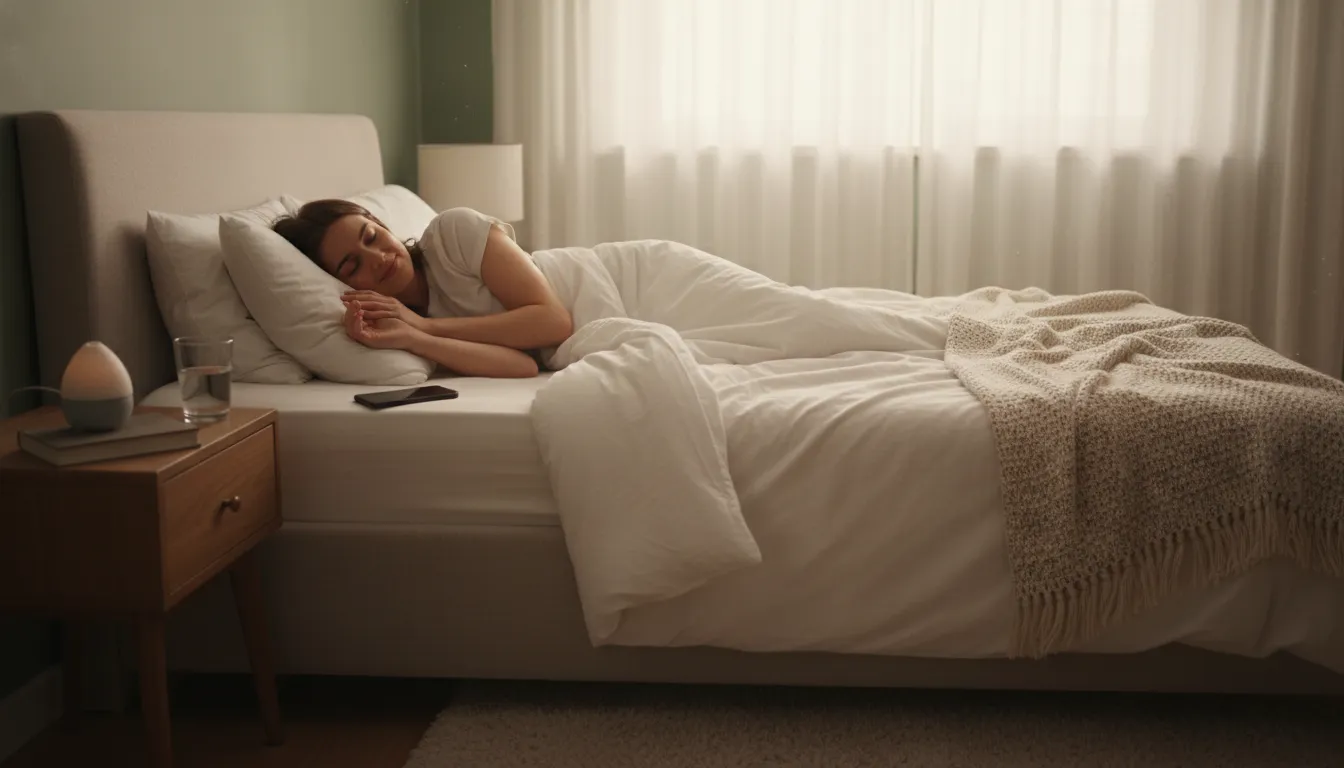
Using your phone before bed can indeed interfere with sleep — and the mechanisms involved (the emitted light, the consumed content, the activation of the nervous system) help explain why. At the same time, it’s important to recognize that people are different, life contexts vary, and habit changes take time and don’t need to be perfect to make a difference.
Small adjustments in the nighttime routine — like creating a disconnection window, choosing calmer content, or simply keeping the phone out of bed — can be gentle starting points. The goal is not guilt or rigidity, but genuine self-care.
And remember: if sleep is a constant challenge in your life, you don’t have to solve it alone. Seeking support from a professional is always a smart and courageous choice.
This content is informative and educational and does not replace the evaluation, diagnosis, or treatment by a qualified healthcare professional. Each person has unique needs — always consult a doctor, psychologist, or other qualified professional for personalized guidance.
- Feeling excessively tired during the day, even after seemingly sufficient nights
- Difficulty falling asleep or staying asleep that persists for weeks
- Maintain regular sleep schedules — going to bed and waking up at approximately the same time every day, including weekends, is one of the most consistent recommendations in the sleep hygiene literature.
- Avoid stressful or highly stimulating content — even if you use your phone, choosing more neutral or calm content can make a difference.
- Create a relaxation ritual — reading a physical book, listening to calm music, doing gentle stretches, or practicing mindful breathing are activities that can help signal the body that it’s time to slow down.
- Keep your phone out of the bedroom (or away from the bed) — removing the device from immediate reach reduces the temptation to check notifications when waking up in the middle of the night or just before sleeping.
- Reduce screen brightness at night — if you need to use your phone, lowering the brightness and activating night mode can be an intermediate measure.
- Shorter total sleep duration, especially in teenagers and young adults, has frequently been related to nighttime device use