Does Using Your Phone Before Bed Affect Your Sleep Quality?
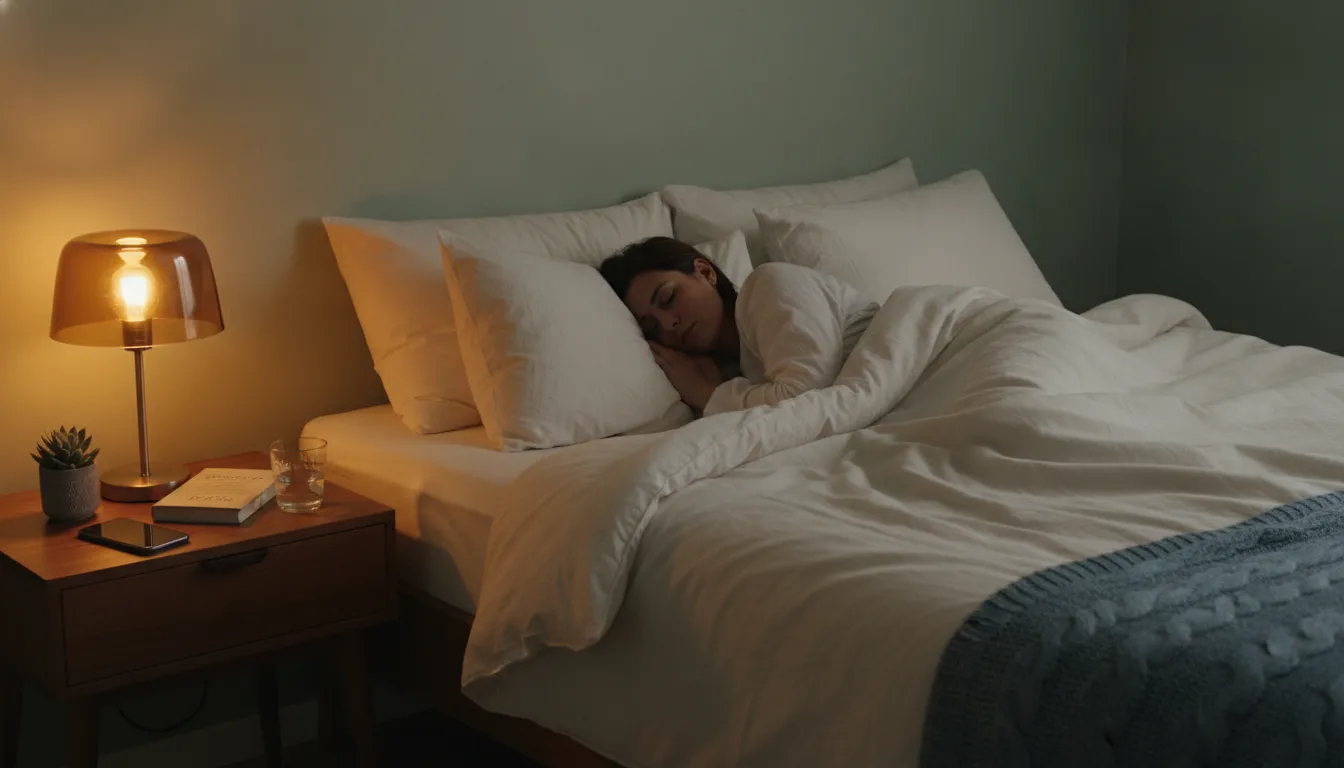
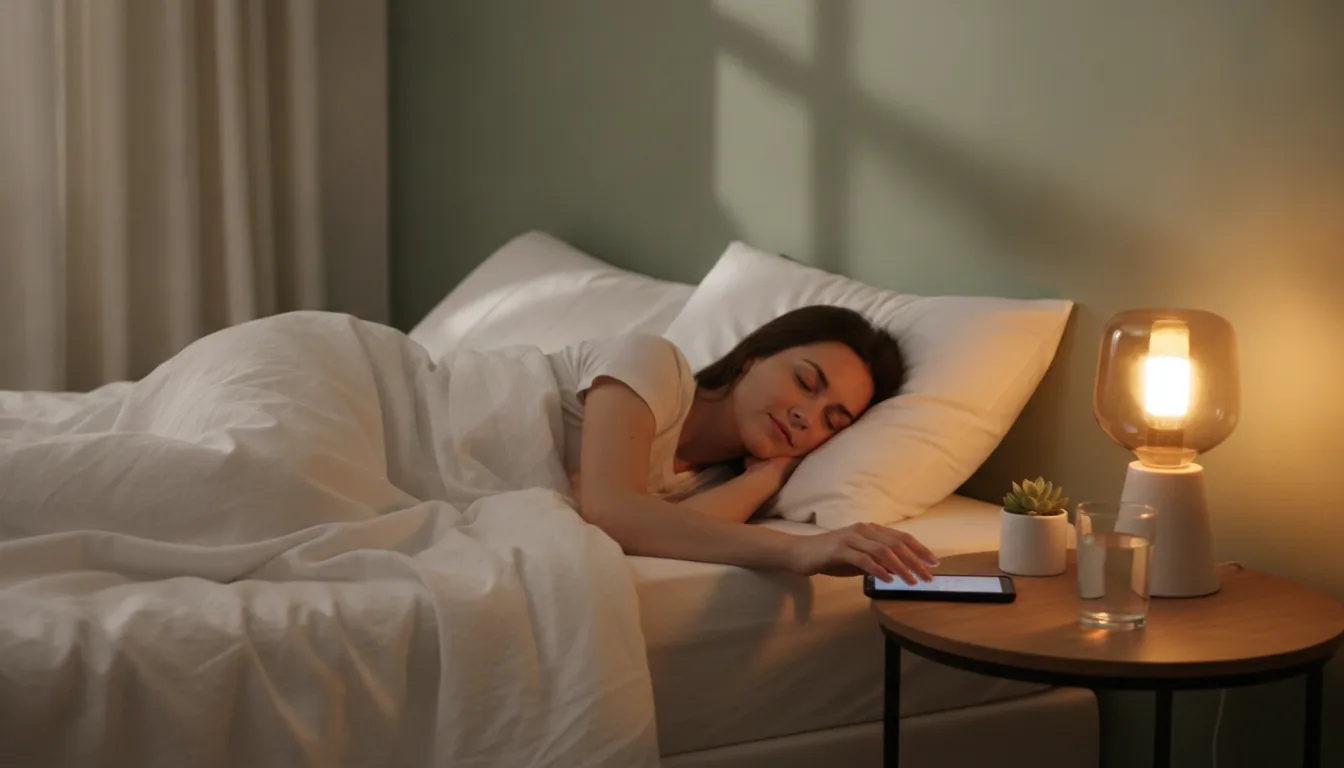
You lie in bed, turn off the lights, and… pick up your phone “just for a minute.” One notification leads to another, a short video turns into ten, and suddenly half an hour — or more — has passed. If this scenario sounds familiar, you’re far from alone. In 2026, with screens increasingly integrated into our routines, the line between the digital world and rest time has become more blurred than ever.
The good news is that understanding what happens in your body when you use your phone close to bedtime can be the first step towards more peaceful nights. It’s not about vilifying technology, but understanding how it interacts with very ancient biological mechanisms — and what you can do, practically, to balance this relationship.
In this article, we explore what sleep science has been investigating about screen use at night, why it might affect your rest, and some strategies that often help. Always remember: each body is unique, and a health professional is the best person to assess your situation individually.
What Happens in Your Brain When You Use Your Phone at Night
To understand the issue, it’s worth knowing a central character: melatonin. This hormone, produced by the pineal gland, is the chemical signal your body uses to “notify” that it’s time to sleep. Melatonin production naturally increases with darkness and decreases with light — especially short-wavelength light, in the blue spectrum.
Smartphone, tablet, and computer screens emit precisely this type of light. Studies published in journals like the Journal of Clinical Sleep Medicine suggest that exposure to blue light at night can suppress or delay melatonin release, making it harder to fall asleep and shifting the circadian rhythm — the body’s internal clock.
But light isn’t the only factor. The content consumed also matters. Scrolling through news feeds, engaging in social media discussions, or watching stimulating videos activates brain areas linked to attention and emotional processing. The result is a state of alertness that directly competes with the relaxation needed to fall asleep.
The Circadian Rhythm and Why It Matters
The circadian rhythm is a roughly 24-hour cycle that regulates not only sleep but also body temperature, hormone release, metabolism, and immune system function. It is strongly influenced by environmental cues, with light being the most powerful of them.
When this rhythm is constantly disrupted — whether by nighttime screen use, night shift work, or other factors — the body can face challenges that go beyond immediate fatigue. Research in chronobiology associates persistent circadian misalignment with impacts on mood, concentration, and overall well-being, although the magnitude of these effects varies greatly from person to person.
The World Health Organization (WHO) recognizes quality sleep as an essential component of health, and various medical societies worldwide recommend sleep hygiene as part of a healthy lifestyle. This includes taking care of the environment and habits in the hours leading up to rest.
Signs That Nighttime Screen Use May Be Affecting Your Sleep
Not everyone who uses their phone at night will experience the same effects. Factors such as individual sensitivity to light, chronotype (whether you’re a “night owl” or “early bird”), and overall sleep hygiene quality greatly influence this. Still, some signs frequently appear:
- Difficulty falling asleep, even when you’re tired
- Feeling that sleep was shallow or fragmented
- Difficulty shutting off thoughts when lying down
- Waking up without feeling rested, even after sleeping the usual number of hours
- Tendency to spend more time on the phone at night than intended (compulsive scrolling)
If you frequently recognize yourself in several of these points, it may be worth paying attention to your nighttime habits — and consulting a professional if the problem persists.
Practical Strategies for a Healthier Nighttime Routine
The good news is that relatively simple adjustments to your routine often contribute to improving sleep quality. None of these suggestions is a magic solution, but combined, they can make a difference over time.
- Set a time to “turn off” screens. Many sleep experts suggest avoiding phone and other screen use 30 to 60 minutes before bed. Try it and see how your body responds.
- Use night mode or blue light filter. Both Android and iOS offer settings that reduce blue light emission at night. While evidence on the isolated effectiveness of this feature is mixed, it can help when combined with other habits.
- Keep the phone out of the bedroom or away from the bed. This reduces the temptation to check notifications during the night and upon waking. A regular alarm clock can replace the phone’s alarm.
- Use night mode or blue light filter. Both Android and iOS offer settings that reduce blue light emission at night. While evidence on the isolated effectiveness of this feature is mixed, it can help when combined with other habits.
- Feeling that sleep was shallow or fragmented