

Winter Health Tips: Habits for a Healthy Season
Winter arrives with shorter days, falling temperatures, heavier blankets, and an almost irresistible urge to stay indoors. For many, this change of season is welcome. For others, it also means colds, flu, dry skin, low energy, and even mood swings. The good news is that there are simple, evidence-based habits that can significantly help you get through winter with better health and well-being.
There is no magic formula that protects everyone in the same way. The human body is complex, and each person has their own history, routine, and specific needs. Therefore, throughout this article, you will find general, educational guidelines to help understand how winter affects the body and what, according to scientific literature and health organizations like the World Health Organization (WHO) and Brazil’s Ministry of Health, usually makes a difference. For individual assessments and health-related questions, always consult a qualified professional.
Shall we go together? Winter can be a season of much coziness—and genuine self-care.
Why Does Winter Affect Our Health?
The cold doesn’t “cause” illness by itself but creates conditions that favor certain health problems. When temperatures drop, we tend to stay more in enclosed spaces with less ventilation, which facilitates the circulation of respiratory viruses, such as those causing colds and flu. Additionally, cold and dry air dries out the mucous membranes of the nose and throat, which act as a natural barrier against infectious agents.
Other common effects include:
- Drier skin and lips due to low air humidity and heater use
- Reduced sun exposure, which can lower vitamin D levels
- Reduced physical activity as the cold discourages outdoor walks and exercises
- Changes in sleep and mood, partly due to shorter days and less daylight
- Increased consumption of ultra-processed foods, often associated with emotional comfort sought in the cold
Understanding these mechanisms helps to act more consciously, rather than waiting for symptoms to appear before reacting.
Nutrition: Comfort and Nutrition Can Go Hand in Hand
In winter, the craving for warm and calorie-rich foods is natural—and there’s nothing wrong with that. The challenge is to find a balance between comfort and nutrition. A varied diet rich in whole foods often contributes to the proper functioning of the immune system.
Some points often highlighted in public health literature:
- Colorful fruits and vegetables provide vitamins and antioxidant compounds that support the body’s defense system
- Soups, broths, and stews are great choices in the cold and can be prepared with vegetables, beans, lentils, and lean proteins—combining pleasure and nutrients
- Fiber-rich foods, such as whole grains, beans, and vegetables, are associated with a healthier gut microbiota, and the gut plays a significant role in immunity (you can learn more about this in Why High-Fiber Foods Are Good for Your Gut)
- Hydration: many people drink less water in the cold because they feel less thirsty, but the need for hydration still exists—sugar-free teas and warm broths also count
Avoiding excessive alcohol in winter is also relevant: despite the momentary sensation of warmth, excess alcohol impairs sleep quality and can weaken the body’s defenses.
Staying Active Despite the Cold: How to Keep Moving
The temptation to cancel the gym or morning walk when the thermometer drops is huge. But regular physical activity is one of the most well-documented pillars of health in any season. Studies suggest that moderate exercise can contribute to immune function, mood, and sleep quality.
Some practical strategies to stay active in winter:
- Adjust the schedule: if morning cold is a barrier, try exercising at noon or early afternoon when it’s warmer
- Invest in appropriate clothing: layers of light clothing work better than one thick piece; protecting extremities (hands, ears, neck) makes a difference in comfort
- Explore indoor environments: dancing at home, yoga, bodyweight workouts, or exercise apps are valid and accessible options
- Be kind to yourself: days when your body asks for rest are normal. The goal is not perfection but consistency over time
For those with conditions like asthma or cardiovascular diseases, exercising in the cold requires special attention—talk to your doctor about the best choices for your case.
Sleep and Circadian Rhythm in Winter
With longer nights and less daylight, the body can feel the difference. The hormone melatonin, which regulates sleep, is influenced by light—and reduced exposure to natural light in winter can slightly disrupt this cycle in some people.
To support quality sleep:
- Try to expose yourself to natural light early in the morning, even for a few minutes—this helps “calibrate” the biological clock
- Maintain regular sleep and wake times, even on weekends
- Create a comfortable sleep environment: a pleasant temperature (the room doesn’t need to be too warm), darkness, and silence usually help
- Reduce screen time with blue light (phone, tablet, TV) in the hours leading up to sleep
Remember: persistent sleep difficulties deserve professional attention, as they can have various treatable causes.
Mental Health in Winter: Caring for the Unseen
The impact of winter on mental health is real and deserves attention without judgment. Reduced sun exposure, more frequent social isolation, and movement limitations can contribute to feelings of sadness, apathy, irritability, and low energy in some people.
In some cases, this seasonal pattern may be related to what is known as Seasonal Affective Disorder (SAD), a form of depression that tends to appear in the fall/winter and improve in the spring. If you notice that these feelings are intense, persistent, and impact your routine, it’s worth seeking support from a psychologist or psychiatrist.
Small practices that often contribute to emotional well-being in winter:
- Maintain social connections—even through video calls, contact with loved ones makes a difference
- Create healthy comfort rituals: a favorite tea, reading, a warm bath—these small moments have real value
- Set boundaries in relationships, especially during times of increased family interaction. If you want to reflect more on this, check out healthy boundaries: what changes in your relationships
- Practice some form of movement, even if light, as it is associated with improved mood in observational studies
If you’re going through a moment of intense suffering or crisis, know that help exists. The CVV (Centro de Valorização da Vida) is available 24 hours a day at 188 (free call). In emergencies, seek an emergency room or UPA.
Vaccination and Prevention of Respiratory Diseases
Winter is historically associated with an increase in flu and other respiratory infections. The flu (influenza) vaccination is one of the most scientifically supported preventive strategies and is recommended by Brazil’s Ministry of Health, especially for priority groups such as the elderly, young children, pregnant women, healthcare professionals, and people with chronic diseases.
In addition to the vaccine, some basic hygiene habits are strongly recommended:
- Wash hands frequently with soap and water for at least 20 seconds
- Avoid touching eyes, nose, and mouth with unwashed hands
- Ventilate rooms even in the cold by opening windows for a few minutes throughout the day
- Maintain air humidity: when indoor air is very dry (due to heaters), bowls of water or humidifiers can help preserve the moisture of the mucous membranes
When to Seek a Health Professional
Preventive habits are powerful but do not replace medical evaluation when necessary. Seek a healthcare professional if you notice:
- High or persistent fever for more than 48-72 hours
- Shortness of breath, chest pain, or difficulty breathing
- Cold or flu symptoms that do not improve after a few days or worsen
- Intense and prolonged cough
- Feelings of sadness, apathy, or lack of motivation lasting weeks and affecting your routine
- Intense muscle or joint pain in the cold (which may be related to conditions like rheumatoid arthritis that deserve follow-up)
- Any new or concerning symptom that deviates from your usual pattern
Your family doctor, general practitioner, or the reference health service in your city are the first points of contact. Do not hesitate to seek help: taking care of your health is not an exaggeration; it is a responsibility to yourself.
A Final Word: Winter Can Also Be Gentle
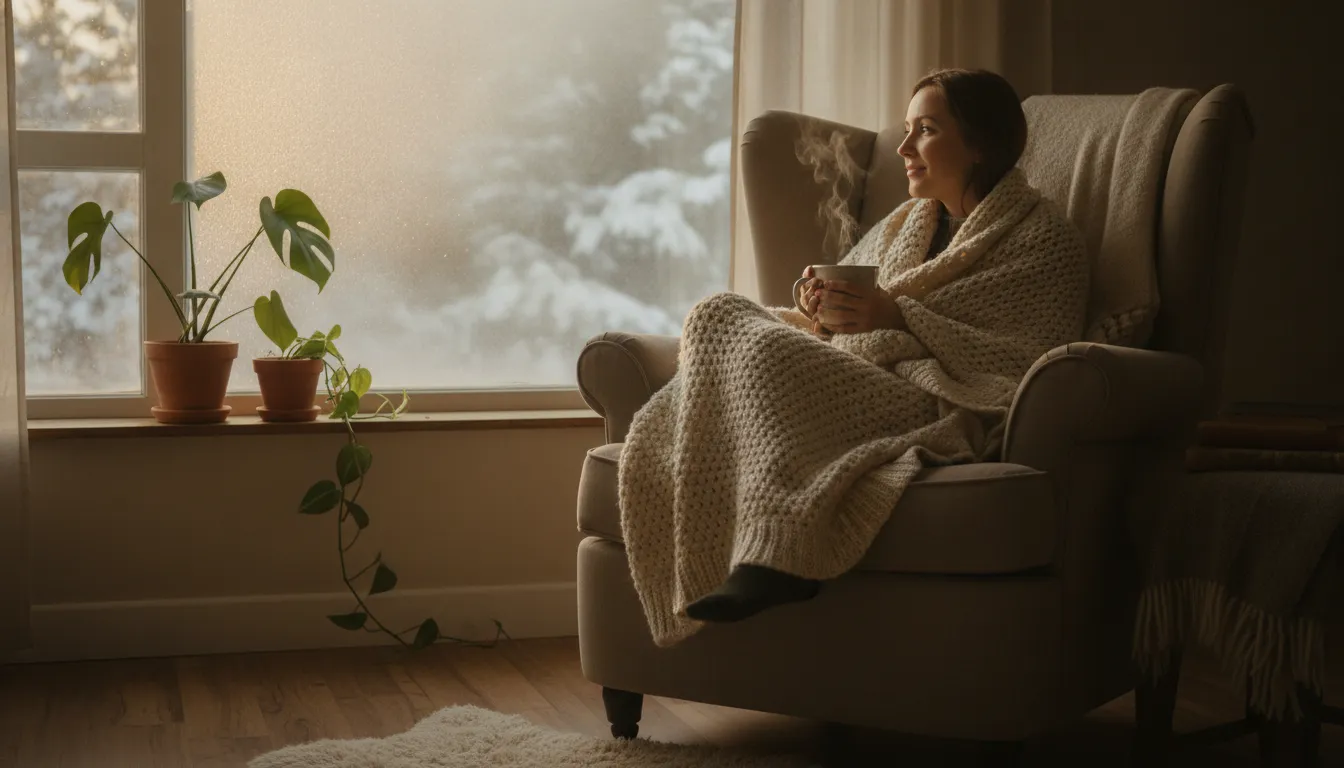
Getting through winter well doesn’t mean living in constant alert mode or following a perfect routine immune to any slip-ups. It often means making small consistent choices: eating mindfully, moving the body regularly, getting enough sleep, taking care of emotions, and staying in touch with people who make us feel good.
Winter has its own rhythm—and perhaps the season also invites us to slow down, nurture connections, and pay more attention to what truly matters. May you navigate it with health, warmth, and much lightness.
This content is informative and educational and does not replace the evaluation of a healthcare professional. Each person has unique needs; consult your doctor, nutritionist, psychologist, or other qualified professional for individualized guidance.