

The cold has arrived, bringing with it the irresistible urge to wrap up in a blanket, sip a hot cup of tea, and postpone everything on the day’s list. This impulse is completely understandable — the human body reacts in very real ways to the changes in temperature and light that winter brings. But beyond the momentary comfort, what does science tell us about how to take good care of our health during the colder months of the year?
In Brazil, winter has quite varied characteristics depending on the region: while the South and Southeast face low temperatures and dry air, other regions experience only a decrease in humidity and rainfall. In all these situations, however, the body needs extra attention. Respiratory infections, dry skin, mood changes, and drops in immunity are common complaints that tend to intensify during this period.
The good news is that some consistent — and accessible — habits can make a real difference in well-being during winter. This article gathers evidence-based guidelines to help you get through the cold with more health, energy, and balance. Always remember: the information here is educational and general; for specific guidance on your case, it’s best to talk to a healthcare professional.
Why Does Winter Affect Our Bodies?
The cold provokes real physiological responses in the body. One of them is vasoconstriction — the narrowing of blood vessels to conserve body heat, which can increase demand on the cardiovascular system. Moreover, reduced sun exposure decreases the production of vitamin D, essential for various body functions, including bone health and immune system function.
Lower light levels also interfere with circadian rhythms and the production of serotonin and melatonin, hormones directly linked to mood and sleep. Studies published in psychiatric journals suggest that part of the population experiences more pronounced mood variations in winter, with symptoms such as excessive tiredness, a craving for more carbohydrates, and difficulty concentrating. This phenomenon, known as Seasonal Affective Disorder (SAD), varies in intensity and deserves clinical attention when it significantly affects daily life.
Understanding these reactions helps make more conscious health decisions — not out of fear, but out of care.
Nutrition in the Cold: Nourishment That Comforts and Strengthens
In winter, it’s natural for appetite to increase slightly and for the preference for warmer, more caloric foods to intensify. This is a biologically understandable response. The challenge is to embrace these preferences without abandoning variety and dietary balance.
Some general guidelines that usually contribute to healthy eating in winter:
- Prioritize homemade soups and broths with vegetables, greens, and legumes. Besides being nutritious, they warm and hydrate.
- Include seasonal fruits , such as oranges, tangerines, apples, and pears. They often have a good concentration of vitamin C, which studies suggest may support immune system function.
- Don’t abandon salads — steamed or sautéed greens can be more inviting alternatives in the cold.
- Maintain adequate water intake , even when thirst decreases. The dry winter air contributes to dehydration, even without intense heat.
- Reduce excess ultra-processed foods , which tend to be consumed more during periods of emotional comfort but offer little nutritional value.
If you have specific health conditions — such as diabetes, hypertension, or kidney diseases — nutritional guidelines need to be individualized. Talk to a nutritionist or doctor.
Movement and Exercise: Keeping the Body Active in the Cold
The cold is one of the biggest enemies of exercise consistency. Getting out of bed early or facing low temperatures to move requires extra motivation. But the benefits of regular physical activity for the immune system, mood, and sleep are well-documented in scientific literature.
Some strategies that usually help:
- Adapt the schedule : if morning cold is a real obstacle, try exercising in the afternoon when temperatures tend to be milder.
- Explore indoor options : dance, yoga, pilates, home functional training — there are many ways to stay active without depending on the weather.
- Warming up is essential in the cold : cold muscles are more susceptible to injury. Allow extra minutes for warming up before any activity.
- Walk when possible : even a 20 to 30-minute walk in the sun contributes to physical and mental well-being.
- Be kind to yourself : days with less motivation are normal. What matters is consistency over time, not perfection every day.
Before starting or intensifying an exercise routine, especially if you have any health conditions, consult a physical education professional or doctor.
Sleep and Rest: Enjoying the Cold Wisely
Winter invites rest — and that’s not necessarily a bad thing. Quality sleep is one of the most important pillars of health, and longer nights can be an opportunity to regularize sleep and wake times.
Some habits that usually contribute to more restorative sleep:
- Maintain regular sleep and wake times, even on weekends.
- Create a cozy bedroom environment, with adequate temperature and good ventilation.
- Avoid intense screen use near bedtime — the blue light emitted by phones and tablets can interfere with melatonin production. If you want to know more about this, check out the article Does Using Your Phone Before Bed Affect Sleep Quality? .
- Reduce caffeine consumption in the afternoon and evening.
- Wear comfortable socks and blankets — thermal comfort facilitates falling asleep.
Mental Health in Winter: Caring for the Mind Also Means Caring for the Body
For many people, winter brings a kind of “emotional weight” that goes beyond physical tiredness. Less sun exposure, fewer outdoor activities, social isolation, and changes in circadian rhythm can contribute to symptoms such as persistent sadness, apathy, irritability, and difficulty enjoying usual activities.
It’s important to embrace these feelings without judgment — and also to know when to seek support. Some practices that studies suggest may contribute to emotional well-being in winter:
- Exposure to natural light : whenever possible, open the windows, sit near a well-lit area, or take a walk outdoors during the day. Sunlight has a documented role in mood regulation.
- Social connection : maintaining contact with loved ones, even virtually, is often a protective factor for mental health.
- Mindfulness practices : conscious breathing techniques and meditation can help deal with stress and anxiety. If you want to start, the article Beginner’s Guide to Mindfulness offers practical first steps.
- Routine with meaning : maintaining small daily structures — a special meal, a hobby, a reading moment — helps give rhythm and meaning to the grayest days.
If emotional symptoms are intense, persistent, or interfering with your daily activities, seek a psychologist or psychiatrist . Caring for the mind is not a weakness — it is an essential part of overall health.
> In case of intense suffering or crisis , remember: you don’t have to be alone. The CVV (Centro de Valorização da Vida) offers free emotional support by phone 188 , 24 hours a day, 7 days a week. In emergencies, seek the nearest health service.
Skin, Hydration, and Body Care in Winter
Cold, dry air is particularly challenging for the skin. The skin barrier can become compromised, leading to dryness, flaking, itching, and, in some cases, worsening conditions like eczema and psoriasis.
General care that usually helps:
- Skin hydration : using moisturizers after bathing, while the skin is still slightly damp, helps retain moisture.
- Moderate temperature baths : very hot baths, as pleasant as they may be, can remove the skin’s natural protective layer.
- Sunscreen in winter : UV radiation is present year-round, even on cloudy days. The Brazilian Society of Dermatology recommends daily sunscreen use regardless of the season.
- Lips and hands deserve special attention : they are areas very exposed to the cold and dry out easily. Specific moisturizers for these regions can be allies.
- Air humidifiers : in very dry environments, especially with heaters on, humidifiers can help maintain respiratory and skin comfort.
When to Seek a Healthcare Professional
Some signs deserve attention and indicate that it’s time to seek medical evaluation, without delay:
- Intense or persistent respiratory symptoms : cough lasting more than three weeks, shortness of breath, wheezing, or high fever.
- Chest pain or palpitations : especially in the cold, the cardiovascular system works harder. These symptoms should not be ignored.
- Mood changes that persist for weeks and interfere with work, relationships, or daily activities.
- Skin with persistent wounds, inflammation, or appearance changes that do not improve with basic hydration.
- Difficulty sleeping for prolonged periods , with real impact on daily functioning.
- Any new, intense, or concerning symptom — it is always worth consulting. Better safe than sorry is an old wisdom that public health confirms.
Doctors, nurses, nutritionists, psychologists, and other health professionals are available to provide individualized guidance. The Unified Health System (SUS) offers free care at Basic Health Units throughout the country.
Conclusion
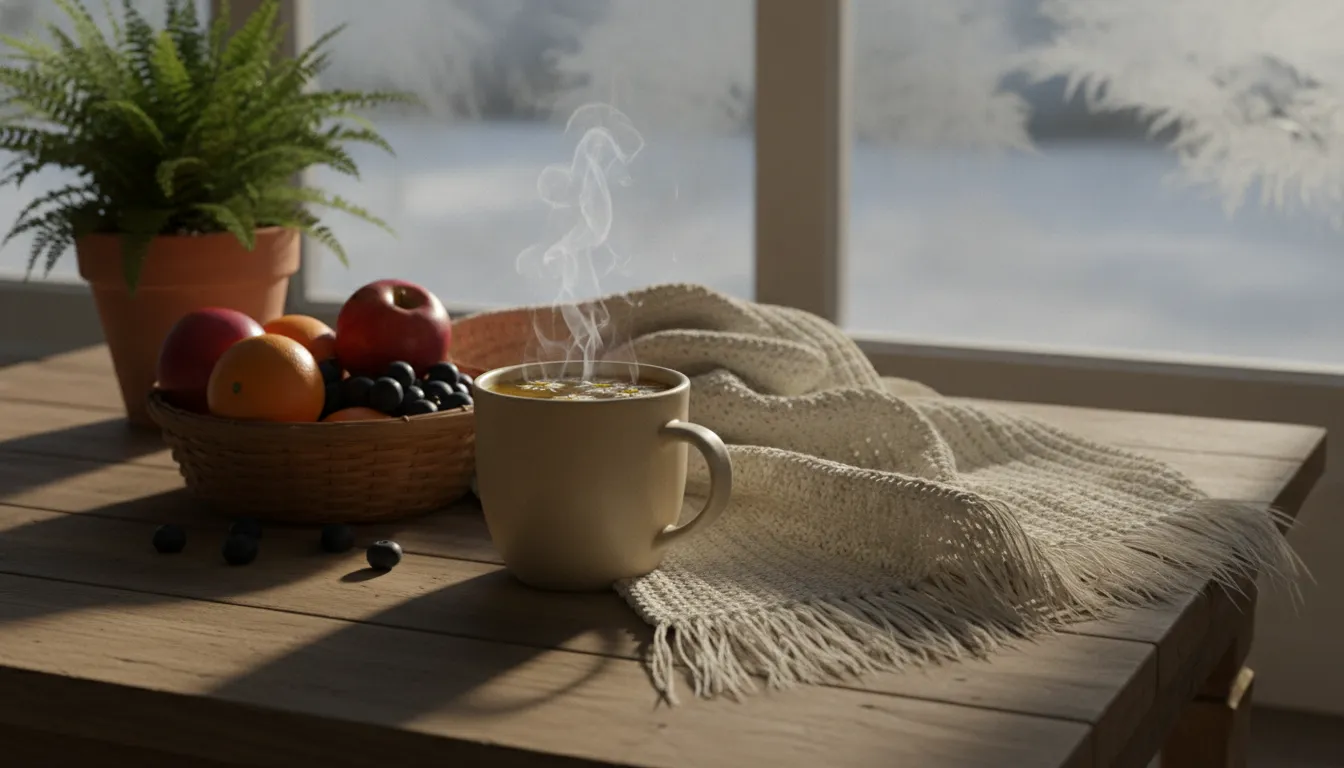
Winter doesn’t have to be synonymous with illness or sadness. With attention, consistent habits, and genuine self-care, it’s possible to get through the colder months with more health, balance, and even pleasure. Every small choice — having a nutritious soup, taking a walk in the afternoon sun, calling a friend, sleeping on time — is a gesture of self-care that accumulates over time.
Remember: you don’t have to be perfect to take care of yourself. What matters is being consistent, kind to yourself, and knowing when to ask for help.
This content is informative and educational and does not replace evaluation, diagnosis, or treatment by a qualified health professional. Always consult a doctor, nutritionist, psychologist, or other qualified professional for specific guidance on your case.
- Chest pain or palpitations : especially in the cold, the cardiovascular system works harder. These symptoms should not be ignored.
- Moderate temperature baths : very hot baths, as pleasant as they may be, can remove the skin’s natural protective layer.
- Social connection : maintaining contact with loved ones, even virtually, is often a protective factor for mental health.
- Explore indoor options : dance, yoga, pilates, home functional training — there are many ways to stay active without depending on the weather.
- Include seasonal fruits , such as oranges, tangerines, apples, and pears. They often have a good concentration of vitamin C, which studies suggest may support immune system function.